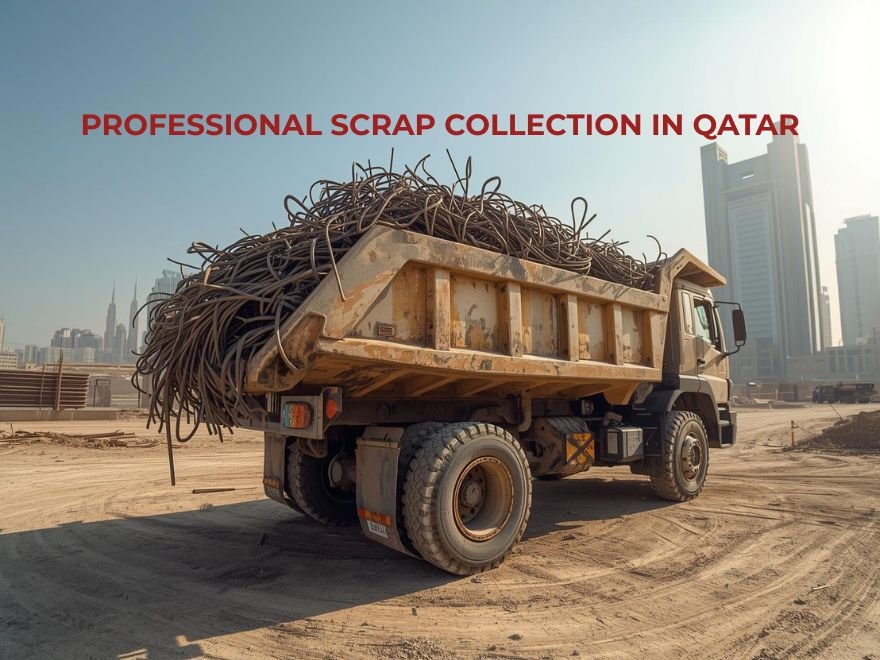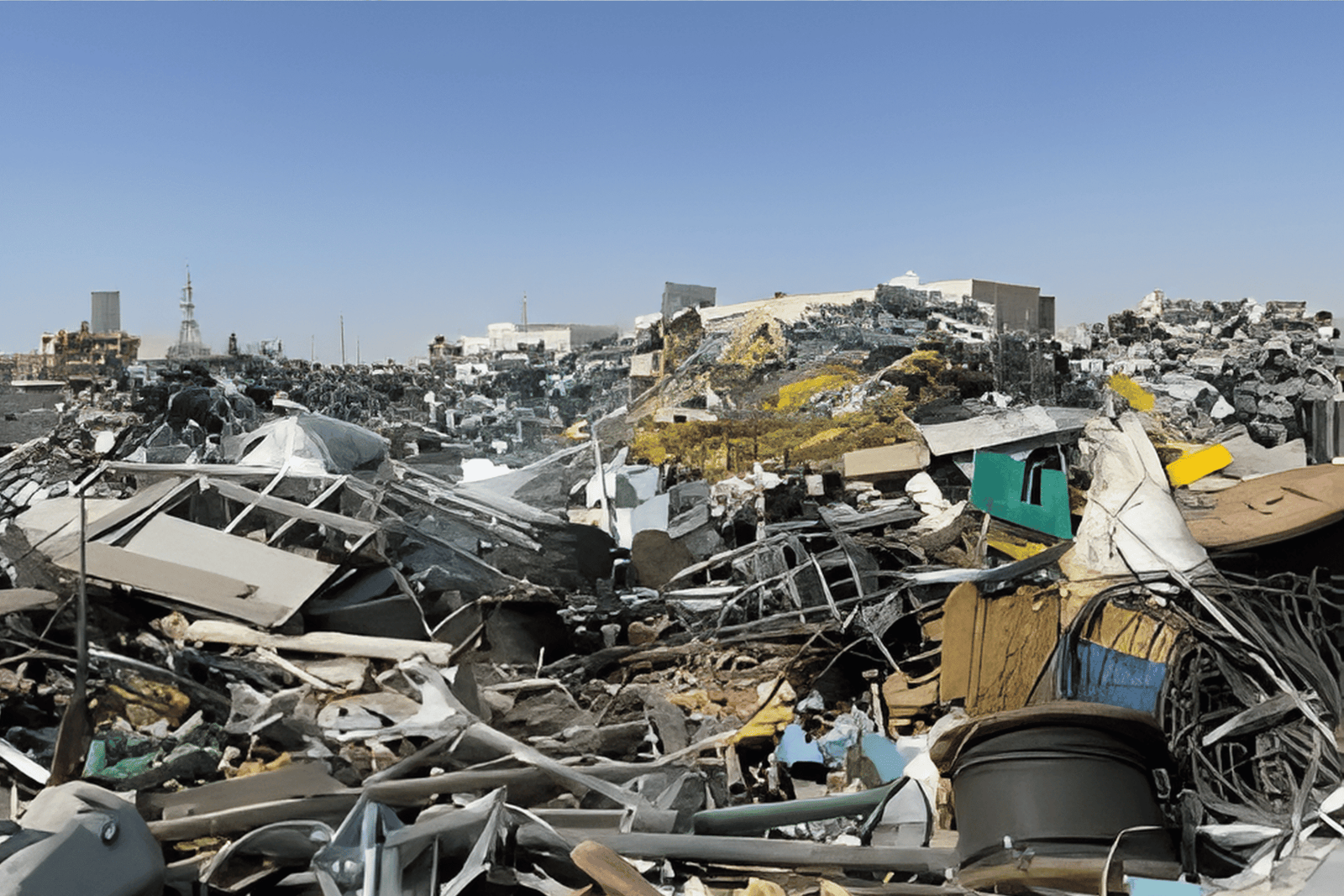
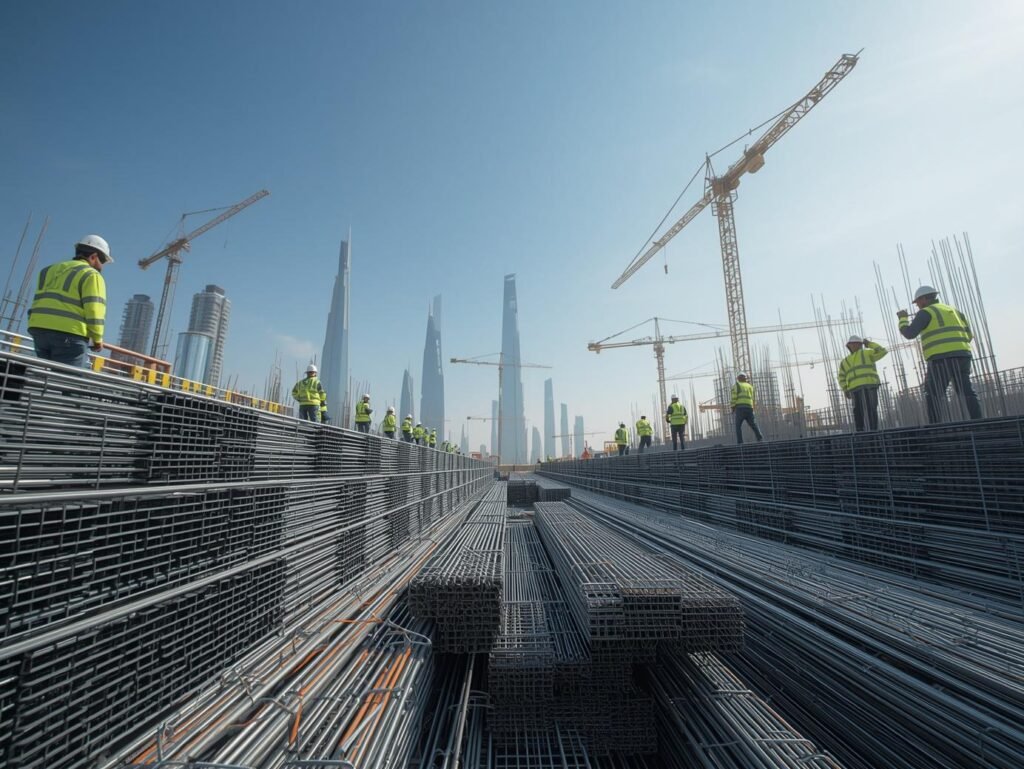
Qatar’s construction industry continues rapid expansion with major infrastructure projects across Doha, Lusail City, and Al Rayyan. These developments generate substantial volumes of construction scrap in Qatar daily – from steel reinforcement bars to aluminum window frames and structural metal components that require organized construction scrap management.
For contractors managing high-rise buildings, metro projects, and commercial complexes, effective handling of construction metal waste prevents safety violations, project delays, and Ministry of Municipality compliance issues. Professional site scrap removal services help maintain clean work areas while contractors focus on critical path activities and project deadlines.
Construction Industry Growth in Qatar
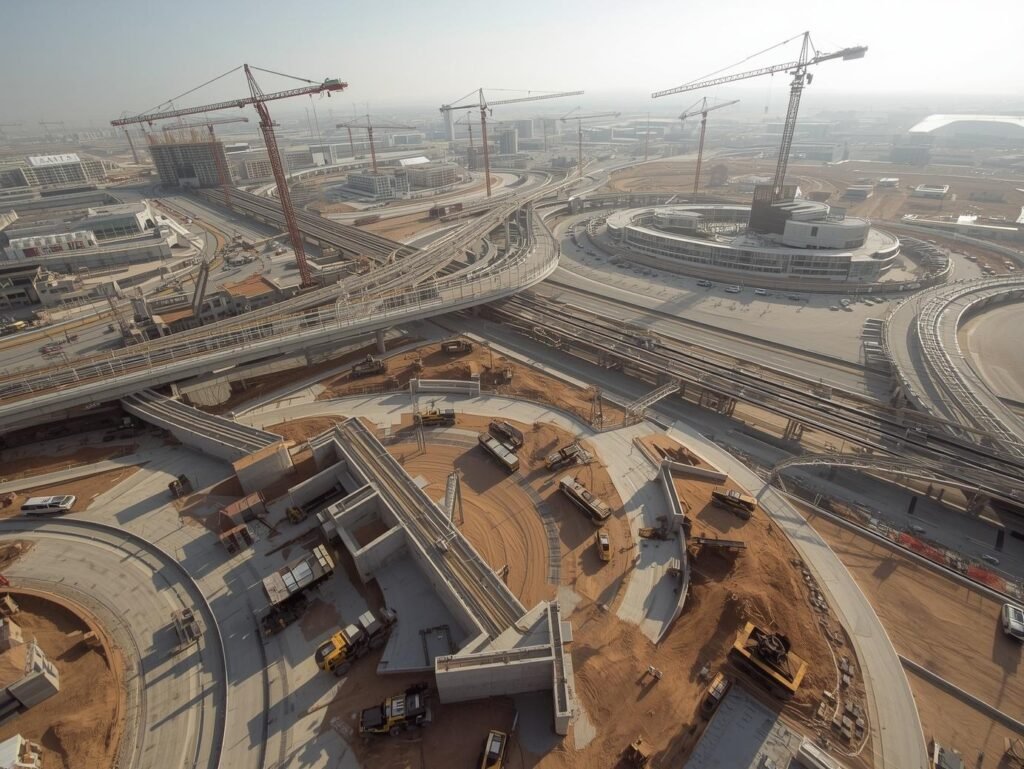
Qatar’s construction sector currently produces the country’s highest volume of metal waste. This is largely driven by massive infrastructure projects like the Lusail City residential towers, the Doha Metro network expansion (Red, Gold, and Blue lines), and major developments at Hamad International Airport. Additionally, the expansion of Qatar Energy LNG facilities in Ras Laffan contributes significantly to this growth.
On average, active sites generate over 1,200 tons of construction scrap in Qatar every day. Managing such vast quantities requires seamless coordination with a professional construction scrap buyer Qatar to ensure project timelines remain on track and worksites stay organized.
Types of Construction Scrap
Qatar construction sites generate distinct scrap categories during different building phases with steel reinforcement scrap dominating at 60% of total volume followed by metal pipes, aluminum frames, and structural metal waste.
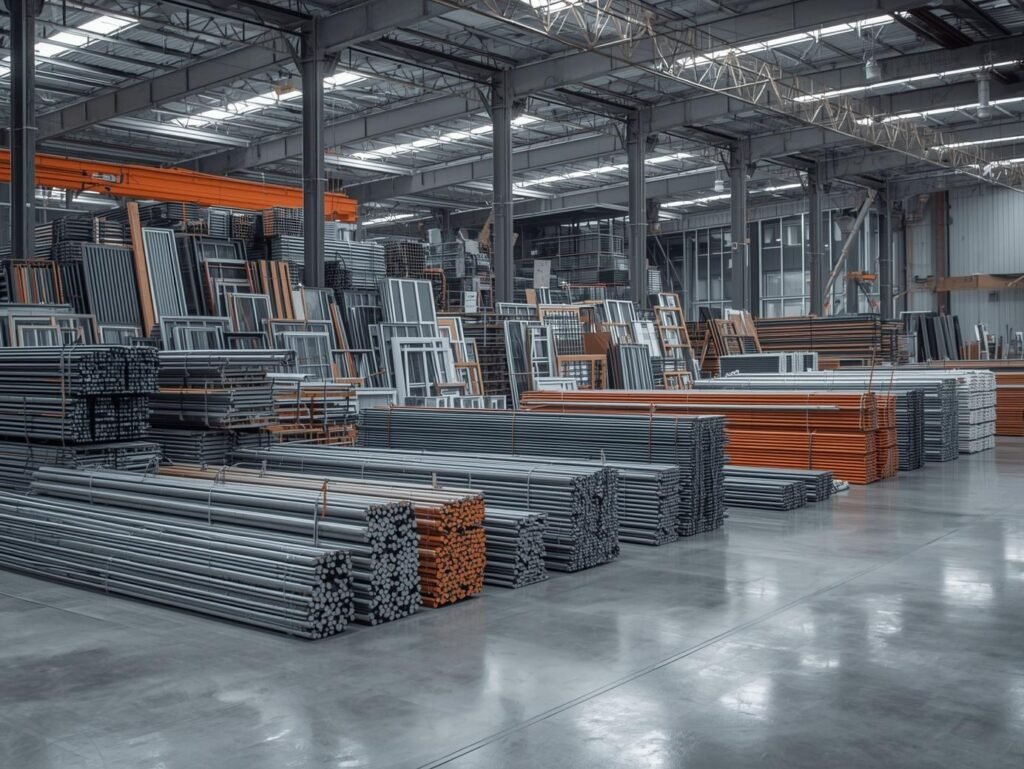
Steel reinforcement scrap includes rebar off-cuts from concrete formwork where standard 8-meter lengths get cut to 2-3 meter sections for columns and beams, spiral binding wire waste, steel tie bars, and damaged reinforcement bars from handling operations. Metal pipes scrap comes from MEP installations including galvanized steel water pipes, black steel gas piping, stainless steel drainage systems, copper refrigerant lines for AC systems, and fire-fighting sprinkler piping remnants.
Aluminum frames generate from facade and window installations with cut-to-size window frame profiles, curtain wall system remnants, cladding panel off-cuts, storefront aluminum sections, and sliding door track materials. Structural metal waste appears during heavy framework assembly including I-beams and H-columns field cuts, metal decking sheet remnants, bracing angle irons, connection plates, and scaffolding steel components.
Sources of Scrap on Construction Sites
Building materials waste originates from specific construction activities with most construction scrap in Qatar coming from precision cutting operations including rebar cutting that accounts for 40% of steel scrap volume, pipe sectioning at 25% of metal pipe waste, aluminum profiling responsible for 80% of frame scrap, and steel beam trimming contributing 30% of structural waste.

On-site fabrication generates metal offcuts through custom steel brackets for structural connections, metal flashing and coping pieces, structural gusset plates, and MEP component modifications. Material replacement due to quality control creates additional scrap volumes with bent or damaged rebar accounting for 15% of reinforcement waste, incorrectly sized pipes making 20% of piping scrap, defective aluminum frames contributing 10% of facade waste, and rejected structural sections responsible for 12% of beam waste.
Managing Scrap During Construction
Construction site management requires systematic scrap control through designated site scrap removal zones including Zone 1 for rebar collection near cutting stations, Zone 2 for piping scrap in MEP work areas, Zone 3 for aluminum frames at facade staging areas, and Zone 4 for structural steel near crane unload zones where clear markings prevent cross-contamination and safety hazards.
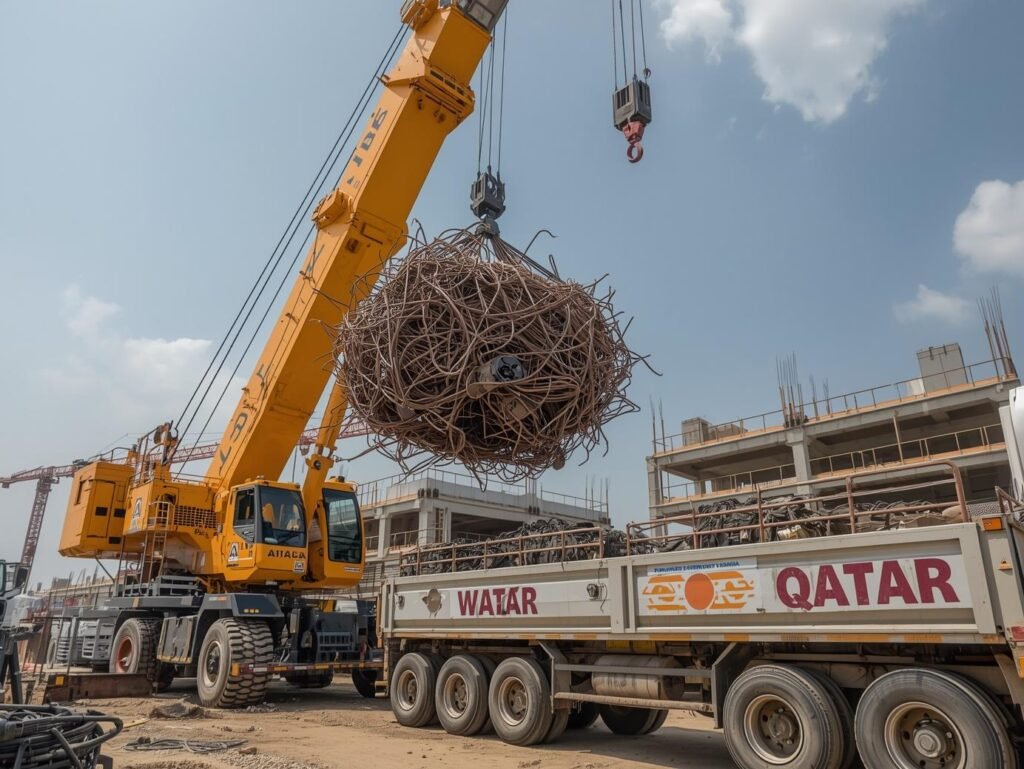
Temporary material storage follows specific requirements with rebar bundling limited to 2-ton maximum stacks, pipe segregation separating steel from copper materials, aluminum protection from site damage, structural steel elevated storage, and weekly inventory tracking sheets. Construction scrap buyer Qatar pickup frequency varies by project phase with weekly collection during peak fabrication periods, bi-weekly service for ongoing concrete work, twice-weekly removal for high-rise facade installations, bulk removal at project completion phases, and 24-hour emergency response availability.
Construction Scrap Removal Services
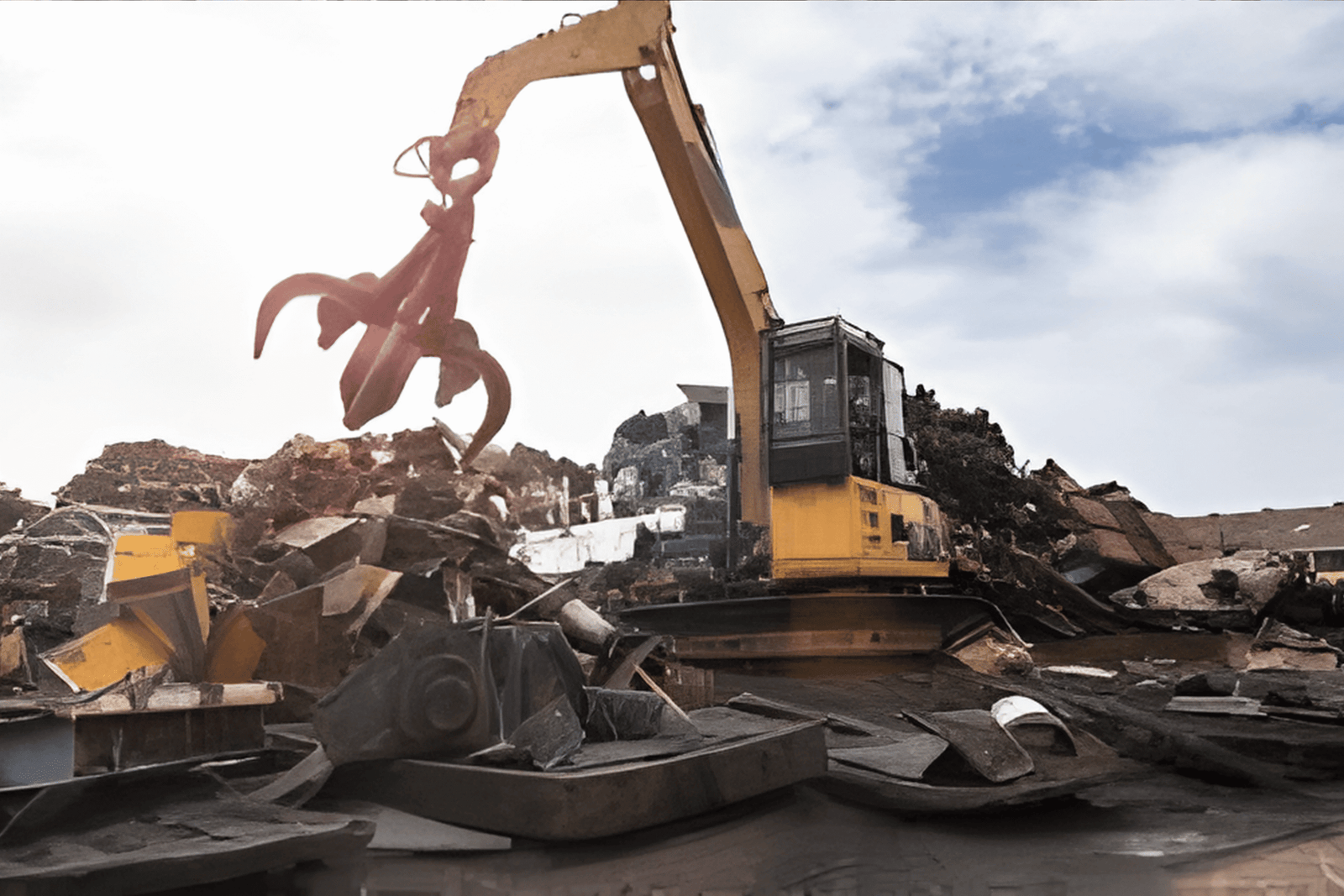
Professional services streamline construction metal waste removal through complete site scrap removal processes that include site assessment for scrap volume and access evaluation, material segregation separating steel from aluminum and copper, heavy equipment deployment with cranes and forklifts, secure loading and transportation, site clearance verification, and weight certificates with payment processing.
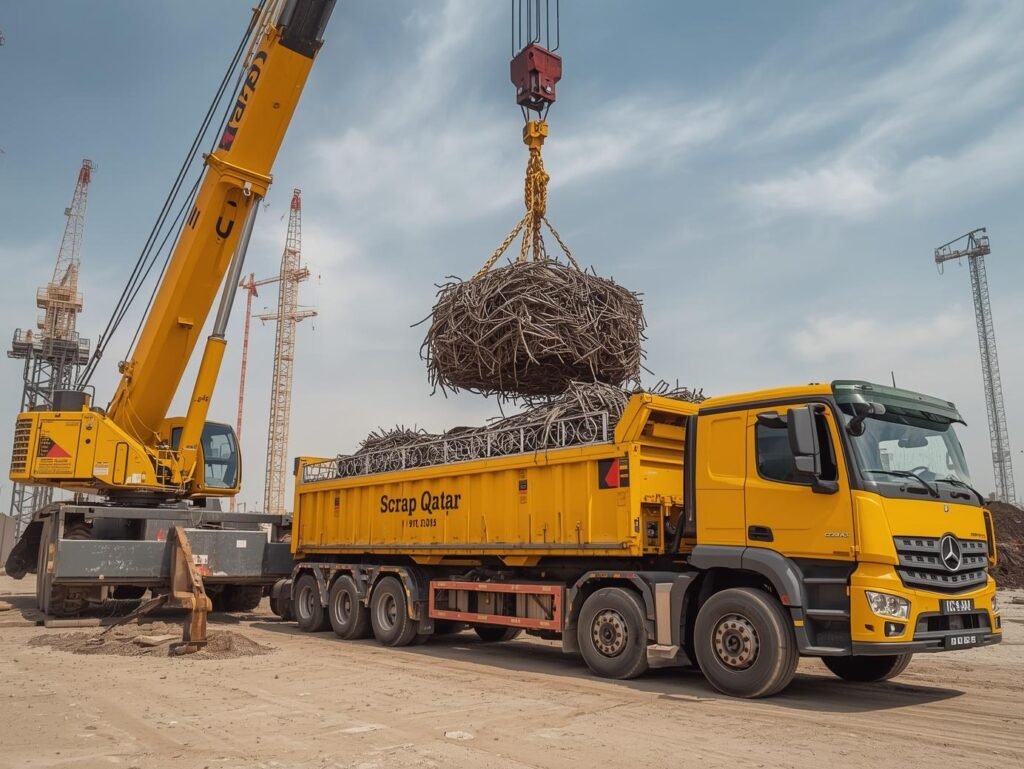
Services cover all Qatar construction hotspots including Doha metro projects and West Bay skyscrapers, Lusail City Center towers and stadium retrofits, Industrial Area factory construction, Al Rayyan sports complexes and residential developments, Al Wakrah mixed-use projects, and Mesaieed industrial construction sites where contractors coordinate pickup schedules with project timelines.
Benefits of Scrap Management for Contractors
Organized construction scrap in Qatar handling delivers operational advantages through clear sites that enable continuous crane operations, faster concrete pouring cycles, reduced equipment damage from scrap obstacles, and maintained critical path schedules essential for meeting client deadlines. Construction scrap buyer Qatar partnerships provide contractors with immediate cash flow from scrap sales that offsets material costs, eliminate safety violation fines from Baladiya inspections, avoid storage rental expenses for accumulated metal waste, and offer tax-deductible waste management expenses that improve project profitability.
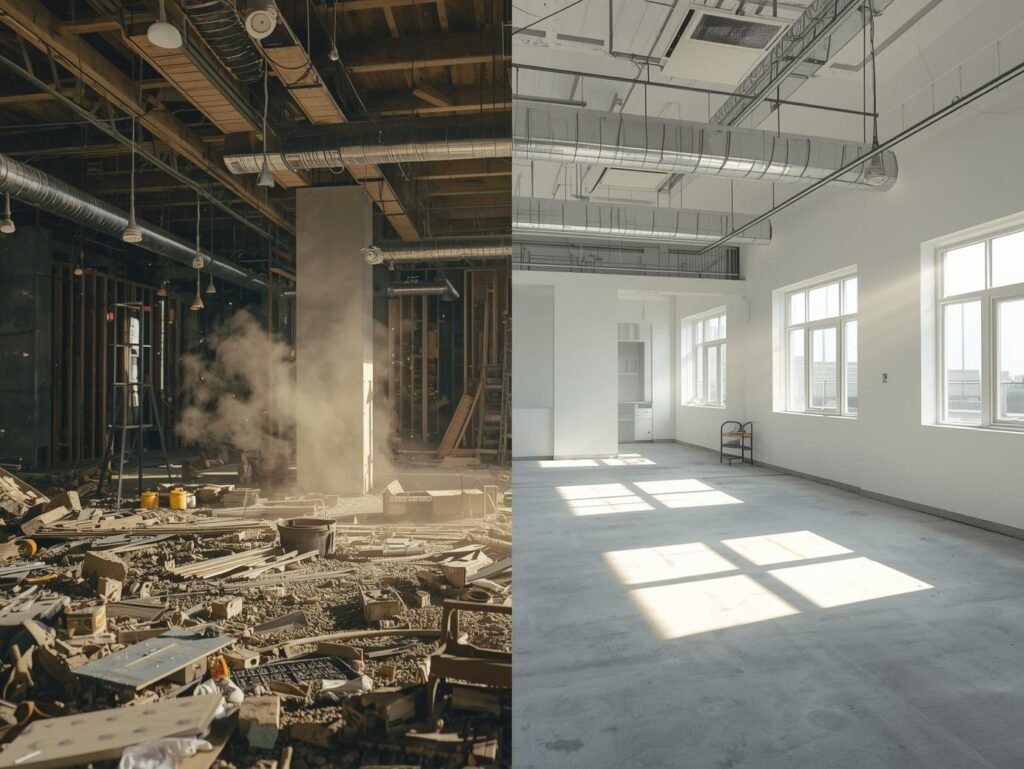
Site scrap removal eliminates tripping hazards from scattered metal offcuts, prevents sharp edge injuries from building scrap metal, maintains clear emergency access routes, and reduces falling object risks from unstable scrap stacks. Clean organized sites impress inspecting engineers, client representatives, and municipal officials while supporting uninterrupted material delivery schedules and faster task completion across all construction phases.
Qatar Construction Coverage Areas
Construction scrap in Qatar services operate nationwide covering Doha metro expansions and West Bay towers, Lusail City residential and commercial towers, Industrial Area factory and infrastructure builds, Al Rayyan sports facilities and housing projects, Al Wakrah mixed-use developments, and Mesaieed industrial construction projects.
Complete Construction Materials Guide
All scrap types overview available at
.
Frequently Asked Questions
What generates most construction scrap in Qatar? Steel reinforcement scrap accounts for 60% of total volume from concrete pouring operations across major infrastructure projects.
How often should contractors schedule site scrap removal? Weekly during peak fabrication phases, bi-weekly for ongoing concrete work, and daily for high-rise facade installations.
Who purchases construction metal waste in Qatar? Professional construction scrap buyer Qatar companies serving Doha, Lusail, and Industrial Area construction sites.
What documentation do contractors receive for accounting? Weight certificates, scrap segregation reports, transport receipts, and payment summaries for complete project records.
Can building scrap metal generate revenue for projects? Organized construction scrap in Qatar sales typically return 5-8% of material costs through professional scrap buyers.
Contact Scrap Qatar for Construction Scrap Services
Scrap Qatar provides nationwide construction scrap in Qatar management for contractors and developers.
Phone: +974 52005926
Email: info@scrapqatar.com